This is Part 2 of Hanlie’s personal story. Read Part 1 first to understand where this journey begins.
Four rematches. In the au pair world, that’s a lot. By the time Hanlie was settling into her fourth new host family, she had been through enough to fill a memoir. Or, it turns out, to build a business helping others navigate the same terrain.
Chicago
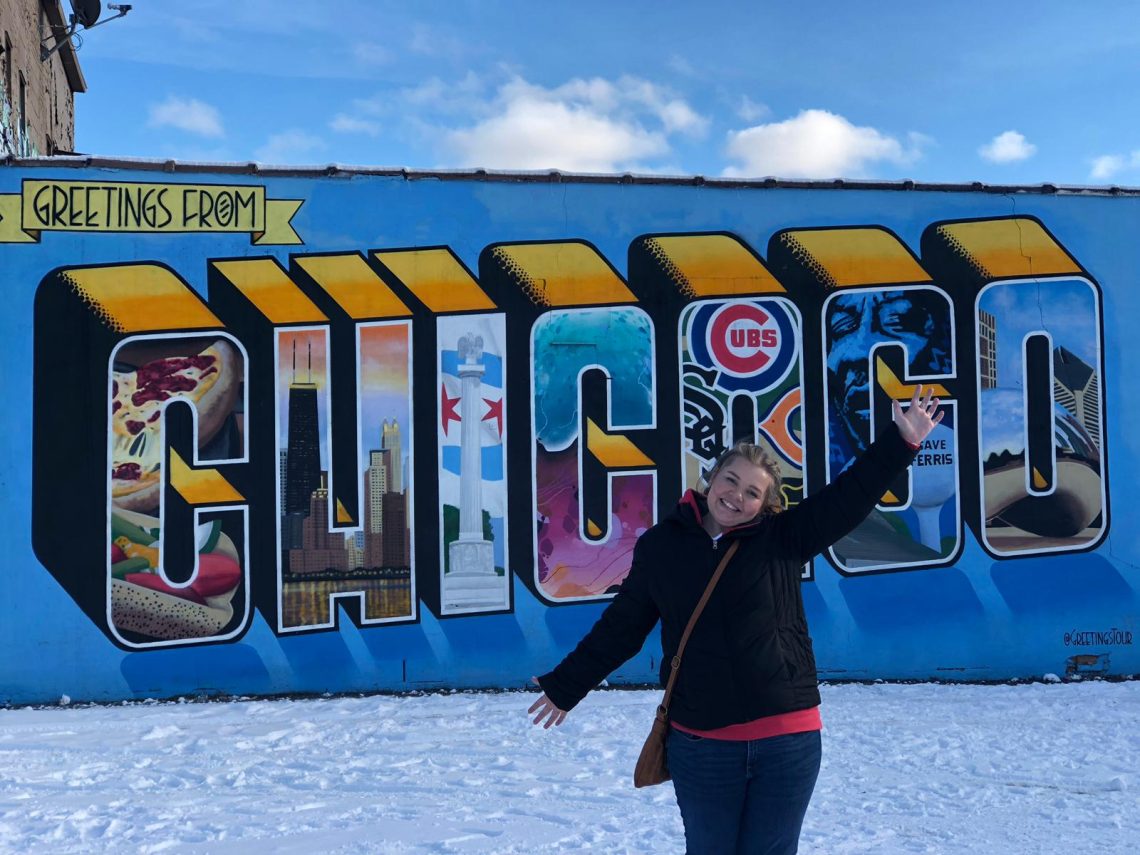
Her fourth family was in Chicago. And Chicago, for Hanlie, had always meant something. The TV shows she’d watched growing up, the skyline she’d seen in magazines, the sense that this was a city where things happened. She arrived in January. It was -18°C.
She loved it immediately.
The Family That Worked
Chemistry in a host family placement is a strange thing. It’s not about perfection — it’s about fit. The Chicago family had it. Clear communication, mutual respect, an understanding of what Hanlie’s role was and wasn’t. The children were wonderful. The parents were warm. The house had good light.
“For the first time, I felt like I could breathe,” she says. “I wasn’t on edge. I wasn’t waiting for something to go wrong. I was just living.”
What Chicago Gave Her
Beyond the family, Chicago itself gave Hanlie something. The architecture. The lakefront. The food. The sense of possibility that large, ambitious cities carry in their air. She explored every neighbourhood she could reach on her days off. She made friends from fifteen different countries. She discovered things about herself — her resilience, her adaptability, her capacity to rebuild — that four rematches had forged.
The Decision That Changed Everything
It was in Chicago that Hanlie decided to come back to South Africa and do something about the information gap she’d witnessed throughout her year. So many au pairs, struggling with the same questions she’d had. So many families making decisions based on misinformation. So many potential scammers preying on hopeful young people.
She came home with a plan. That plan became Guide to Gap Year.
What Four Rematches Actually Teach You
Hanlie doesn’t tell prospective au pairs that rematches are fine, no big deal. They’re hard. They feel like failure even when they’re not. But she does tell them this: a rematch is survivable, and often, it leads somewhere better.
“If I’d stayed in any of my first three families,” she says, “I would never have found Chicago. I would never have found my story. I might never have found this work.”
Sometimes the wrong placements are just the long way to the right one.